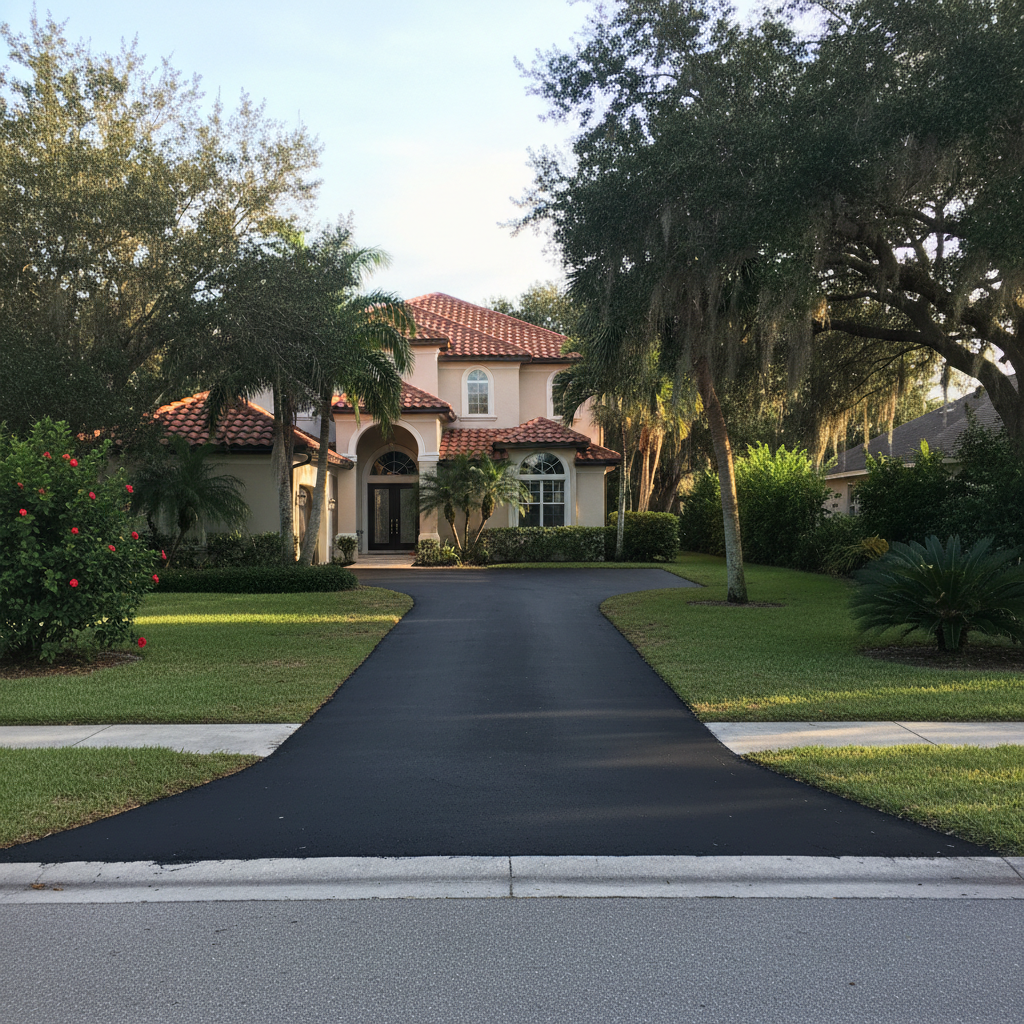
Thinking about a new driveway, are we? That's a big project, no doubt, and it's definitely one of those things you want to nail the first time around. Over my years here in Sarasota, working with Paradise Asphalt Inc., I've seen plenty of folks stumble over the same hurdles when they're planning a paving job or trying to hire someone. And believe me, those missteps can really hit your wallet hard, not to mention your peace of mind.
So, let's chat about what to watch out for. That way, you won't end up with a driveway you're constantly regretting.
Mistake #1: Just Going for the Lowest Bid
This one's probably the biggest offender. Look, everyone wants a good deal; I totally get it. But when it comes to something as basic as your driveway, the cheapest price often means the cheapest materials, the quickest (read: sloppiest) work, or a crew that's cutting corners. I've personally seen driveways that were supposed 'bargains' start cracking and falling apart within just a year or two. Why? Usually because the base wasn't prepped correctly, or they used a thin, crummy asphalt mix.
Think about it for a second: a well-done driveway is an investment. It boosts your home's curb appeal, makes things easier, and adds real value. If you skimp too much, you'll probably be paying for it again sooner than you'd like. Get a few bids, absolutely, but really compare what each one includes. Are they putting down enough asphalt? What kind of base work are they doing? Do they even have insurance and a license? These details matter way more than saving a few hundred bucks upfront.
Mistake #2: Skipping Proper Site Preparation
This issue often pops up right alongside the low-bid problem. Your driveway's foundation is, well, everything. Here in Sarasota, we've got that sandy soil, and if you don't prepare it properly, you're just paving over future headaches. A good contractor will spend time digging, grading, and compacting a solid base layer. That might mean putting down several inches of limerock or crushed concrete, then really packing it down tight.
If a contractor tells you they can just lay asphalt right over your old, crumbling driveway or an unprepared patch of dirt? That's a huge red flag. Without a stable, well-drained base, your new asphalt won't last. You'll see cracks, sinking spots, and potholes pop up much faster, especially with our heavy rains and the constant expanding and contracting from the Florida sun.
Mistake #3: Not Understanding Drainage Needs
Water is the arch-nemesis of pavement. Full stop. If your driveway doesn't drain correctly, water will sit there, seep into any tiny cracks, and erode the base. This leads to it failing way too soon. It's especially critical in flat areas, like much of Sarasota, where natural slopes aren't always obvious. A solid contractor will check your property's grade and plan for water to run off properly.
They might suggest slight slopes, catch basins, or even French drains to steer water away from your house and off the driveway. Don't just assume they'll handle it; ask them specifically how they plan to deal with drainage. If they shrug it off or don't have a clear answer, you could be looking at standing water and a rapidly deteriorating driveway down the road. What a pain!
Mistake #4: Forgetting About Curb Appeal & Property Lines
Sometimes homeowners get so laser-focused on the asphalt itself, they completely forget how the driveway fits in with the rest of their property. You want your new driveway to actually make your home look better, not stick out like a sore thumb. Think about its shape, the edges, and how it connects to your landscaping or garage.
Also — and this is a big one — know your property lines! You really don't want to accidentally pave onto your neighbor's land or break any local setback rules. Check with your HOA, if you're in one, and definitely look at your property survey. A respectable contractor usually confirms these details, but ultimately, it's your job to know exactly where your property ends.
Mistake #5: Not Getting Everything in Writing
Verbal agreements are only worth the paper they're written on — which is zero. Always, always get a detailed contract. This document should clearly spell out:
- What they're actually doing (the scope of work)
- The materials they'll use (type and thickness of asphalt, base material)
- When the project will happen (timeline)
- The total cost and how you'll pay
- What's covered by the warranty, and for how long
- Proof of their insurance and licensing
If a contractor seems hesitant to put things in writing, or their contract is super vague, just walk away. You need to protect yourself, right? A clear contract protects both you and the contractor, making sure everyone's on the same page.
Mistake #6: Forgetting About Future Maintenance
Getting a new asphalt driveway isn't a "set it and forget it" kind of deal. It needs maintenance to truly last. I always tell my clients that sealcoating is absolutely vital, especially with our intense Florida sun and humidity. It shields the asphalt from UV rays, stops water from getting in, and prevents oxidation. You'll typically want to sealcoat within 6-12 months after it's installed, then every two to three years after that.
Ask your contractor what they recommend for maintenance. If they don't even bring it up, it might mean they're not thinking long-term, and you definitely should be. A little preventative care goes a seriously long way in making your investment last.
Hiring for a driveway project can feel a bit overwhelming, but by sidestepping these common mistakes, you'll be much better prepared to get a quality job that truly lasts. Do your homework, ask the right questions, and don't be afraid to say no to a contractor who doesn't meet your standards. Your home deserves that much.